
Insights · Close and systems
What Strong Financial Systems Actually Look Like in a Service Business
Setting up an effective accounting system is a critical step for any growing service-based business. In Dallas, where competition is fierce and operational efficiency is key, having a structured, reliable bookkeeping and reporting system can make the difference between thriving and merely surviving. We’ve worked closely with numerous businesses to implement accounting systems that provide clear financial insight, improve labor cost visibility, and support scalable growth. This post will walk you through the essential components of accounting system installation, focusing on practical steps and disciplined financial operations.
Why Accounting System Installation Matters for Service-Based Businesses
Accounting system installation is not just about choosing software and entering numbers. It’s about creating a financial backbone t hat supports decision-making, profitability analysis, and operational discipline. For service-based businesses, where labor costs often represent the largest expense, having a system that tracks these costs accurately is crucial.
A well-installed accounting system enables:
- Accurate labor cost tracking: Understand where your labor dollars are going and how they impact profitability.
- Consistent month-end close: Avoid surprises by closing your books on time with clean, reconciled accounts.
- Clear revenue recognition: Match income with the services delivered to maintain accurate financial statements.
- Scalable reporting: Generate reports that grow with your business, providing insights into performance and opportunities.
Without these elements, financial operations become reactive and inconsistent, making it difficult to manage cash flow or plan for growth.

Accounting documents and laptop on office desk
Key Steps in Accounting System Installation
When setting up your accounting system, follow these structured steps to ensure clarity and consistency:
1\. Define Your Chart of Accounts with Precision
Your chart of accounts (COA) is the foundation of your accounting system. It categorizes every financial transaction and must be tailored to your business model. For service-based companies, separate labor costs by department or project to gain visibility into profitability.
Actionable tip: Avoid generic account names like “Miscellaneous Expenses.” Instead, use specific accounts such as “Field Labor Wages” or “Customer Support Salaries.” This precision helps in analyzing cost drivers.
2\. Implement Time Tracking and Labor Cost Allocation
Labor is often the largest expense in service businesses. Integrate time tracking tools with your accounting system to allocate labor costs accurately. This integration allows you to see labor costs by project, client, or service type.
Example: If you run a landscaping service, track hours spent on maintenance versus installation separately. This data helps you price services correctly and identify profitable segments.
3\. Automate Month-End Close Processes
A disciplined month-end close process ensure s your financial data is accurate and up to date. Automate reconciliations, bank statement imports, and journal entries where possible. Set a calendar with deadlines for each step to maintain consistency.
Best practice: Use checklists and assign responsibilities to team members. This reduces errors and speeds up the close process.
4\. Establish Revenue Recognition Policies
Service businesses often bill clients on milestones or time and materials. Define clear revenue recognition policies that comply with accounting standards and reflect your business reality. This clarity prevents revenue misstatements and supports better cash flow management.
5\. Build Scalable Reporting Dashboards
Your accounting system should provide dashboards that evolve with your business. Focus on key performance indicators (KPIs) such as gross margin by service line, labor cost percentage, and client profitability.
Pro tip: Use visual reports to communicate financial health to stakeholders quickly. This transparency builds trust and supports strategic decisions.
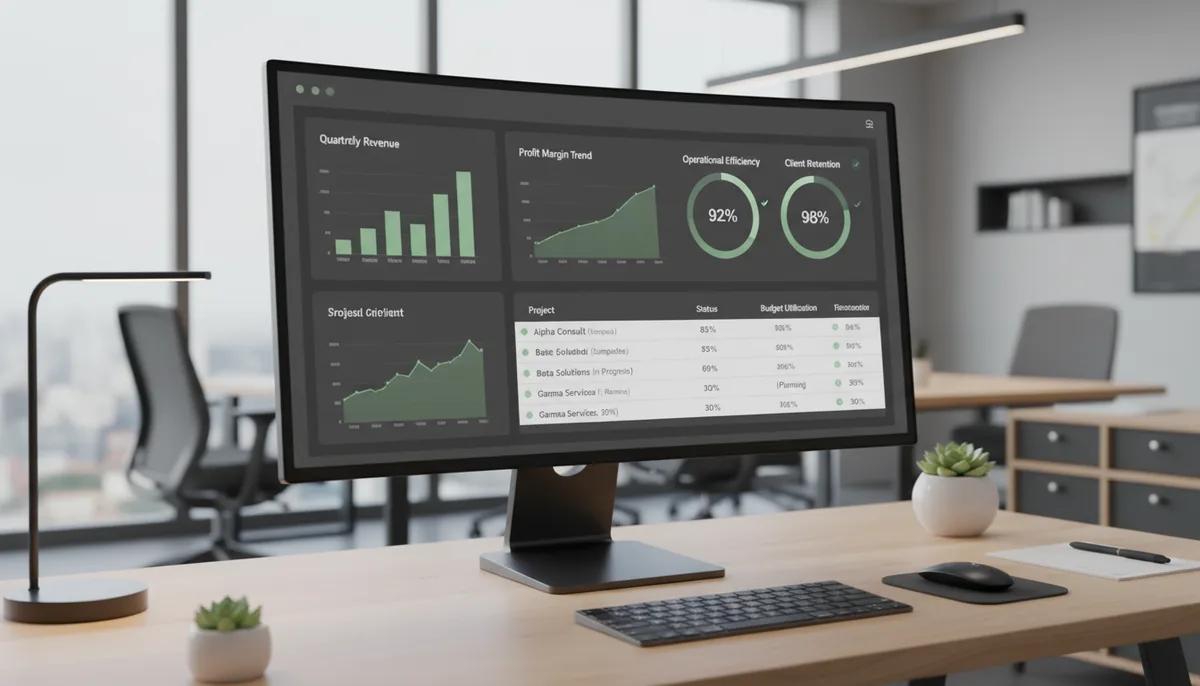
Financial dashboards showing KPIs and labor cost analysis
Integrating Technology and Expertise for Seamless Setup
Choosing the right technology is only part of the equation. The installation process requires operational expertise to configure systems that align with your workflows and financial goals. we recommend partnering with professionals who understand service-based business dynamics and can customize solutions accordingly.
For example, integrating your payroll system with accounting software ensures labor costs flow directly into your financial reports without manual entry. Similarly, linking project management tools with accounting systems can automate cost tracking and billing.
If you’re looking for reliable accounting systems setup Dallas, working with a local expert who understands the regional business environment can accelerate your setup and reduce errors.
Maintaining Discipline and Consistency in Financial Operations
Once your accounting system is installed, maintaining discipline is essential. Consistency in data entry, timely reconciliations, and adherence to policies ensures your financial reports remain accurate and actionable.
Here are some practical recommendations:
- Schedule regular training for your team on system use and financial policies.
- Conduct monthly reviews of labor cost reports to identify anomalies or inefficiencies.
- Use alerts and notifications within your accounting software to flag overdue tasks or discrepancies.
- Document all processes to create a reference that supports continuity as your team grows.
This disciplined approach reduces surprises at month-end and provides a clear picture of profitability.
Unlocking Profitability Through Clear Financial Insight
The ultimate goal of accounting system installation is to empower you with financial clarity. When you can see exactly how labor costs impact each service, recognize revenue accurately, and close your books consistently, you gain control over your business’s financial health.
This clarity enables:
- Better pricing decisions based on true cost and margin data.
- Informed hiring and resource allocation by understanding labor productivity.
- Strategic growth planning supported by reliable financial forecasts.
By investing in a structured accounting system, you create a foundation for sustainable profitability and scalability.
Setting up an accounting system installation requires a blend of technology, expertise, and operational discipline. By focusing on labor cost visibility, clean reporting, and scalable processes, you position your service-based business for long-term success. Remember, the key is not just to install a system but to build a financial operation that delivers clarity, consistency, and actionable insight every month.
Continue Reading:
Tags:
6