
Insights · Bookkeeping fundamentals
Mastering Small Business Bookkeeping Essentials for Businesses
Managing the financial health of a growing business requires more than just tracking income and expenses. It demands a structured approach to bookkeeping that ensures accuracy, compliance, and insightful reporting. Mastering small business bookkeeping essentials for businesses is a critical step toward sustainable growth and operational clarity. In this post, I will share practical insights and actionable recommendations to help you establish reliable bookkeeping practices that support your business goals.
Understanding Bookkeeping Essentials for Businesses
Bookkeeping is the backbone of financial management. It involves recording all financial transactions systematically to provide a clear picture of your business’s financial status. For small businesses, this means maintaining organized records that can be easily accessed and analyzed.
Key bookkeeping essentials include:
- Accurate Record-Keeping: Every sale, purchase, payment, and receipt must be documented.
- Consistent Categorization: Transactions should be categorized correctly to reflect their nature (e.g., revenue, expenses, assets).
- Regular Reconciliation: Bank statements and financial records must be reconciled monthly to catch discrepancies early.
- Timely Reporting: Financial reports such as profit and loss statements and balance sheets should be generated regularly.
- Compliance with Tax Regulations: Proper bookkeeping ensures you meet tax filing requirements and avoid penalties.
By focusing on these essentials, you create a foundation that supports informed decision-making and smooth financial operations.

Organized bookkeeping workspace with financial documents
The Role of Technology in Streamlining Bookkeeping
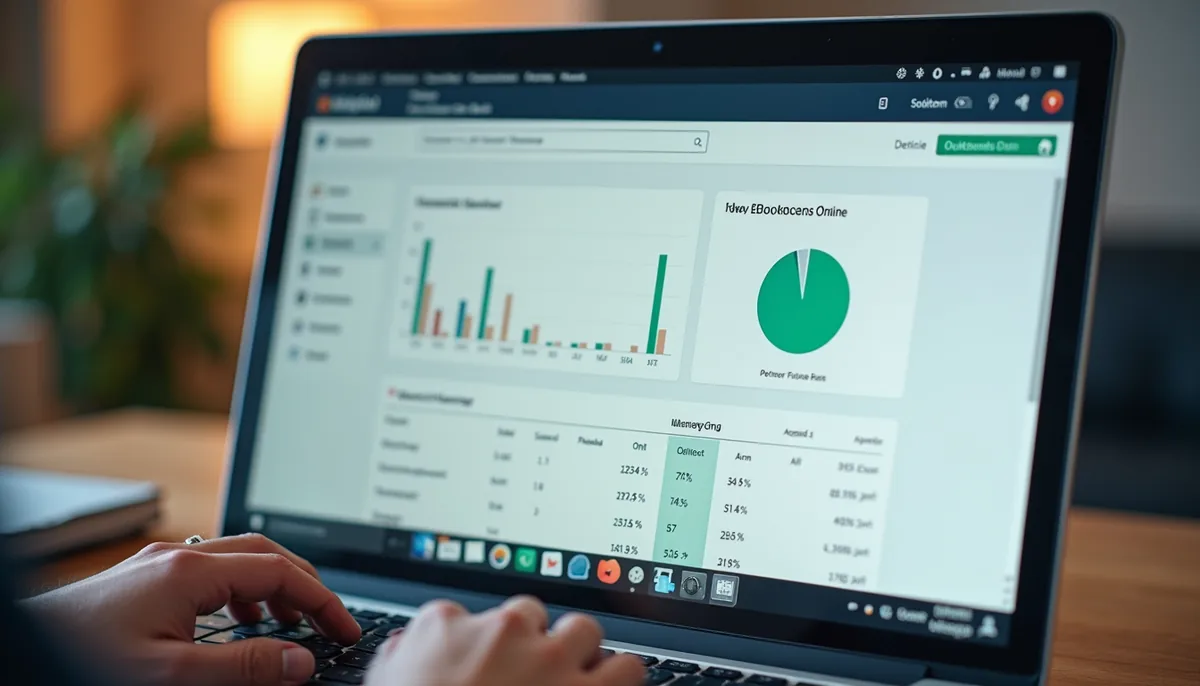
Technology has transformed how businesses handle bookkeeping. Using the right tools can save time, reduce errors, and improve data accessibility. Cloud-based accounting software is particularly beneficial for small businesses because it offers:
- Real-Time Data Access: You can view your financial data anytime, anywhere.
- Automation of Routine Tasks: Invoicing, payment reminders, and bank reconciliations can be automated.
- Integration with Other Systems: Many software solutions integrate with payroll, inventory, and CRM systems.
- Scalability: As your business grows, your bookkeeping system can adapt without major overhauls.
Popular options include QuickBooks Online, Xero, and FreshBooks. When selecting software, consider ease of use, cost, and the specific features that align with your business needs.
What is the Best Bookkeeping Method for a Small Business?
Choosing the right bookkeeping method is crucial for accuracy and efficiency. The two primary methods are:
- Cash Basis Accounting: Records income and expenses only when cash changes hands. This method is simpler and often preferred by very small businesses or sole proprietors.
- Accrual Basis Accounting: Records income and expenses when they are earned or incurred, regardless of when cash is received or paid. This method provides a more accurate financial picture and is often required for larger businesses or those seeking external financing.
For many growing businesses, accrual accounting is the best choice because it aligns income and expenses to the period they relate to, offering better insight into profitability and financial health.
Practical Tips for Choosing Your Method
- Evaluate your business size and complexity.
- Consider your reporting needs and tax obligations.
- Consult with a financial advisor or CPA to ensure compliance and optimal financial management.
Building a Reliable Bookkeeping System
A reliable bookkeeping system is more than just software; it’s a combination of processes, controls, and regular reviews. Here’s how to build one:
- Set Up a Chart of Accounts: Organize your financial transactions into categories that reflect your business activities.
- Establish Clear Procedures: Define how transactions are recorded, who is responsible, and timelines for updates.
- Maintain Supporting Documentation: Keep receipts, invoices, and contracts organized and accessible.
- Perform Regular Audits: Periodically review your records for accuracy and completeness.
- Train Your Team: Ensure everyone involved understands the importance of accurate bookkeeping and follows established procedures.
By implementing these steps, you reduce the risk of errors and create a system that supports consistent month-end closes and reliable financial reporting.
Leveraging Professional Support for Bookkeeping Success
While many small business owners handle bookkeeping themselves, partnering with professionals can elevate your financial operations. Expert bookkeepers and accounting firms bring:
- Specialized Knowledge: They understand tax laws, accounting standards, and industry best practices.
- Time Savings: Outsourcing bookkeeping frees you to focus on core business activities.
- Scalability: Professionals can adjust services as your business grows.
- Improved Accuracy: Experienced bookkeepers reduce errors and ensure compliance.
If you’re looking for dependable support, consider FiscalFusion as your accounting solutions partner, we will tailor solutions to meet your unique needs.
Enhancing Financial Visibility and Decision-Making
Accurate bookkeeping is the foundation for insightful financial reporting. With reliable data, you can:
- Monitor cash flow and manage working capital effectively.
- Identify profitable products or services.
- Control costs and optimize expenses.
- Prepare for tax season with confidence.
- Plan for growth and investment opportunities.
Regularly reviewing financial reports helps you make informed decisions that drive your business forward.
Sustaining Growth with Consistent Bookkeeping Practices
As your business scales, maintaining consistent bookkeeping practices becomes even more critical. Growth often brings increased transaction volume, more complex financial arrangements, and greater regulatory scrutiny. To sustain growth:
- Automate repetitive tasks to handle volume efficiently.
- Update your bookkeeping system to accommodate new business activities.
- Schedule regular financial reviews with your team or advisors.
- Invest in ongoing training and technology upgrades.
By staying proactive, you ensure your financial operations remain organized and transparent, supporting long-term success.
Mastering business bookkeeping essentials is a journey that requires attention to detail, the right tools, and sometimes professional guidance. By prioritizing accuracy, consistency, and clarity in your bookkeeping, you lay the groundwork for a financially healthy and scalable business.
11